

Did you know that 60% of custom home builds go over budget? If you’re dreaming of creating a home that’s perfectly tailored to your needs, planning is essential. In this article, we’ll guide you through the steps to plan a custom home build that stays on track and within budget. By the end, you’ll have a clear roadmap for turning your dream home into a reality.
Tips To Plan A Custom Home Build
When planning a custom home build, it’s important to start by defining what you want and need in your new living space. Begin by visualizing your dream home and making a list of essential features, such as the number of rooms and their purposes.
Research different architectural styles and layouts to gather ideas and inspiration, which will help you convey your vision to potential builders. Establish a realistic budget that encompasses not only the construction costs but also permits, utilities, and any interior finishes you wish to include.
This foundational work allows you to create a detailed plan that aligns with your financial situation. Throughout the process, maintain open communication with your builder to ensure they understand your goals and preferences.
Consider how you and your family will use the space on a daily basis, as this can guide design decisions and improve functionality. Embrace flexibility as you navigate challenges and unexpected changes; this adaptability can lead to innovative solutions that enhance your overall home design.
By taking these steps, you will be well on your way to creating a home that reflects your personality and lifestyle perfectly.
Interview Multiple Builders and Check References
As you move forward in planning a custom home build, take the time to interview multiple builders, asking them about their previous projects and how they handle challenges. It’s not just about the price — look for a builder who aligns with your values and understands your vision.

Any good custom home builder will provide you with a comprehensive portfolio of their past work, highlighting various styles and features. Ask about their construction timelines and how they manage subcontractors to ensure quality and efficiency.
Don’t skip the reference checks; talk to past clients to gauge their satisfaction and any hurdles they encountered. A builder’s reputation often reveals more than words can convey; feedback can provide invaluable insights into their process and reliability.
In addition, consider involving an architect early in the process to help refine your ideas and design a layout that maximizes space and energy efficiency. With careful planning and the right team, your dream home can truly become a reality.
Focus on Flow and Usability in Design
When planning a custom home build, start by envisioning how space will flow. Think about the daily activities your family enjoys and how these can be woven into the layout.
For instance, consider an open plan for the kitchen and living room to encourage interaction during meals and family gatherings. Usability should be at the forefront; ensure that pathways between rooms are intuitive and that common areas are easily accessible.
Don’t overlook the details that enhance usability, like strategically placed storage solutions and functional lighting. Choosing the right materials can also impact how well your home serves your needs.
Opt for surfaces that are durable yet visually appealing; this strikes a balance between practicality and aesthetics. Remember, the goal is to create a space that feels effortless to navigate while still reflecting your personal style.
Create a Timeline for Each Phase
When planning a custom home build, creating a timeline for each phase is essential. This structured approach not only helps keep the project on track but also allows you to anticipate delays and manage expectations.
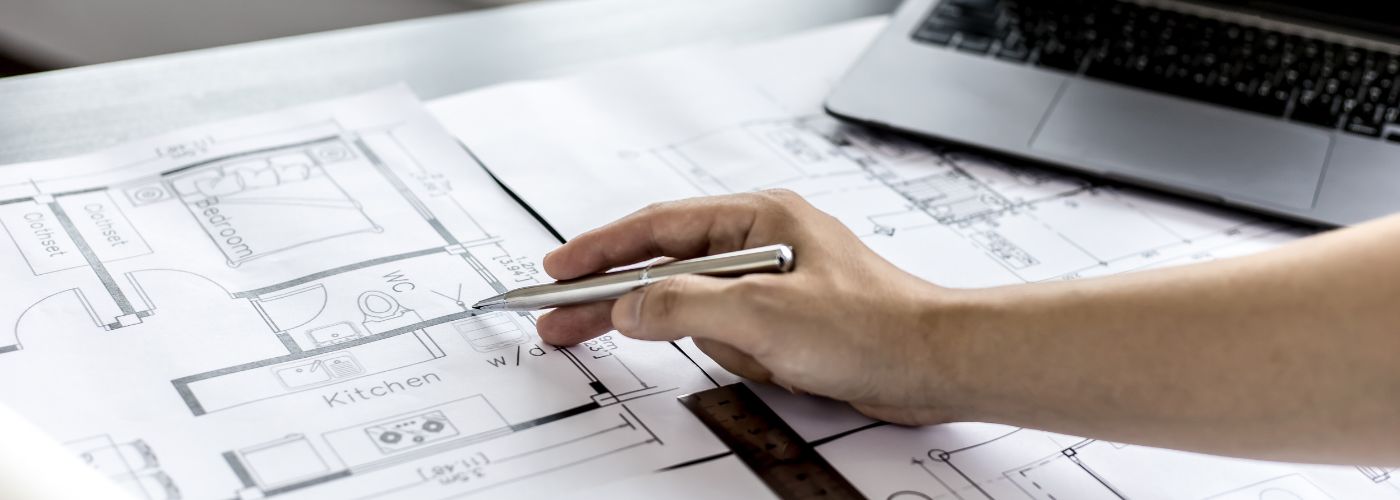
Break down the entire process into distinct stages — design, permitting, construction, and finishing — and assign realistic time frames to each. This foresight can help you stay organized and reduce stress as your project progresses.
The design phase typically takes 1 to 3 months, depending on the complexity of your custom features and your responsiveness to revisions. Once the design is finalized, the permitting phase may last an additional 1 to 2 months. This timeline can vary significantly based on your location.
Construction usually takes the longest, ranging from 6 to 12 months or more, depending on the size and intricacy of your home. Breaking this phase down further into key milestones — such as foundation work, framing, roofing, and installation of mechanical systems — can help you monitor progress. Weekly or bi-weekly check-ins with your contractor can keep communication open and efficient.
Include Contingency Funds for Unexpected Costs
Construction often comes with surprises, from fluctuating material prices to unexpected delays. Having a cushion helps you stay on track without the stress of financial strain.
Allocate about 10-20% of your overall budget for these unforeseen expenses to ensure your dream home remains within reach, no matter the bumps along the way.
Sudden expenses like unexpected structural issues or needed upgrades to electrical or plumbing systems can arise, often leading to significant cost overruns if not anticipated. These hidden challenges can stall your project if you aren’t prepared to tackle them financially.
Use Materials That You’ve Always Wanted
Planning a custom home build starts with envisioning your dream space. Begin by creating a list of must-haves and nice-to-haves. This helps prioritize essential features while allowing flexibility for creativity.
Think about how you want to use your desired materials — whether they be sustainable options or luxury finishes. This not only adds a personal touch but can also influence your home’s energy efficiency and maintenance over time.
Remember, this is your custom home build, so using the materials you’ve chosen thoughtfully can reflect your personal style and values. Next, consider the layout and flow of your home. Open-concept designs may promote a sense of space and togetherness, while distinct rooms can offer privacy and functionality.
Contemplate the size and placement of windows as well — natural light can dramatically affect the mood and energy of a room.
