
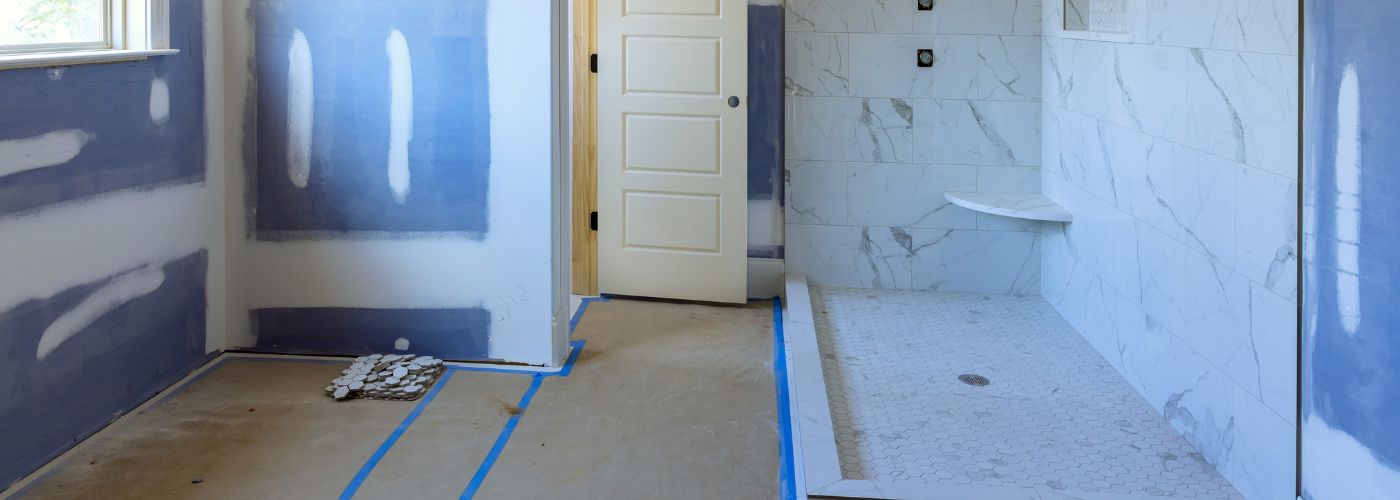
A bathroom remodel can improve comfort, function, and the overall look of your home, but even a well-planned project can fall behind schedule. Knowing what causes bathroom remodeling delays and preparing for them early can help keep the work moving forward.
This article goes over common causes of delays and practical steps you can take to avoid unnecessary setbacks.
Causes of Bathroom Remodeling Delays
Bathroom remodeling delays can happen for many reasons, including material shortages, design changes, hidden water damage, permit issues, and scheduling problems with different trades. Bathrooms may be small compared to other rooms, but they involve several important systems.
Plumbing, electrical work, ventilation, waterproofing, flooring, cabinetry, and fixtures often need to be completed in a specific order. If one part of the project falls behind, the work that follows may also need to be rescheduled.
Some delays are difficult to predict, but many can be reduced through careful preparation. Homeowners should understand the project scope, confirm major decisions, and discuss the expected schedule before demolition begins.
It also helps to know which materials have long lead times and which parts of the bathroom could reveal hidden problems. Taking care of important decisions before construction begins gives the project a stronger foundation and reduces the chance of avoidable interruptions later.
Address Plumbing or Electrical Issues Up Front
Bathroom renovations depend heavily on plumbing and electrical systems, and older homes may have conditions that are not obvious until remodeling begins.
Corroded pipes, outdated wiring, poorly placed drains, insufficient electrical circuits, or previous repairs can create extra work. Discovering these problems late in the project may cause bathroom remodeling delays because walls, floors, or completed work might need to be opened again.

Reviewing the existing plumbing and electrical setup before major construction begins can uncover problems while there is still time to adjust the plan.
Talk with your contractor about whether the remodel requires new supply lines, drain changes, additional outlets, updated lighting, ventilation improvements, or electrical upgrades. If fixtures are being moved to new locations, these conversations become even more important.
Early inspections can also help determine whether specialized trades need to be scheduled. Plumbers and electricians may have busy calendars, so discovering that additional work is required at the last minute can leave the project waiting for availability.
Identifying these needs early allows the contractor to coordinate the right professionals at the appropriate stage instead of trying to fit unexpected work into an already active schedule.
Finalize Your Design Before Construction Starts
Changing the bathroom design after construction has started is one of the easiest ways to slow down a remodel. Moving a vanity, changing the shower size, selecting a different tile pattern, or adding new lighting may seem like a small adjustment.
However, each change can affect measurements, material quantities, plumbing locations, electrical connections, or the order in which the work must be completed. These changes can quickly create bathroom remodeling delays that were not part of the original schedule.
A complete design gives your contractor clear instructions and allows materials, labor, and installation steps to be planned around the same finished vision.
Before construction begins, decide on the layout, vanity size, shower or tub configuration, flooring, wall tile, fixtures, lighting, paint colors, storage, and other major details.
Review these choices with your contractor to make sure they work with the available space and existing systems.
It is also helpful to confirm smaller details before work begins. Decide where towel bars, mirrors, shelves, outlets, and accessories will go. These decisions may not seem urgent during the planning stage, but making them early reduces questions during construction.
When the crew can follow an approved plan without waiting for new decisions, each stage of the project can move more smoothly into the next.
Order Materials Early to Avoid Supply Delays
Materials can have a major effect on the remodeling schedule. Tile, vanities, faucets, shower doors, tubs, specialty fixtures, and custom products may not always be available immediately.
A product that appears to be in stock when you begin planning could sell out before it is ordered. Custom items can take even longer because they may need to be manufactured specifically for the project.
These supply problems can lead to bathroom remodeling delays even when the construction crew is ready to continue.

Ordering important materials early gives you more time to deal with backorders, shipping problems, damaged products, or incorrect deliveries. Whenever possible, confirm that major items have arrived before demolition starts.
Open boxes and inspect products for damage, especially tile, sinks, fixtures, mirrors, and other fragile materials. This prevents you from discovering a problem on the day the item is supposed to be installed.
Ask your contractor which products need to be selected first based on the construction schedule. Some materials affect measurements or rough-in locations, so the exact model may need to be known before certain work begins.
Having critical materials on site before they are needed helps prevent the entire project from stopping while everyone waits for one missing item. It can also reduce the need for rushed substitutions that may not match the original design.
Communicate Regularly With Your Contractor
Clear communication helps everyone understand what has been completed, what comes next, and whether any decisions are needed from the homeowner. Without regular updates, small questions can remain unanswered and eventually stop progress.
For example, a contractor may need approval on tile placement, fixture positioning, or a replacement product before continuing. If that decision takes several days, it can contribute to bathroom remodeling delays and affect other scheduled work.
Establish a simple communication process before the project begins. Decide whether updates will happen by phone, text, email, or in person. You should also know who your main point of contact is and how quickly important questions should be answered.
Fast, clear communication helps prevent minor decisions from turning into schedule problems that affect multiple stages of the remodel.
Regular communication does not mean checking on every small task throughout the day. Instead, focus on important updates, upcoming decisions, schedule changes, and anything that could affect cost or completion time.
If you have concerns about the work, bring them up early rather than waiting until the project is nearly finished.
Addressing questions while the related work is still underway is usually easier than correcting something after several additional steps have been completed.
Plan for Unexpected Challenges During the Remodel
Even careful planning cannot uncover every possible issue before demolition. Removing old tile, drywall, flooring, or fixtures may reveal water damage, mold, damaged framing, uneven surfaces, or old repairs that need attention.
These discoveries can cause bathroom remodeling delays because the underlying problem often needs to be corrected before new materials can be installed safely and properly.
Include some flexibility in both your schedule and budget from the beginning. Avoid planning important events around the earliest possible completion date, especially if the bathroom requires major structural, plumbing, or electrical changes.
A small amount of extra time gives the contractor room to address surprises without immediately putting pressure on the rest of the schedule.
It is also useful to discuss possible hidden conditions with your contractor before demolition begins. Ask what problems are common in homes of a similar age and what the process will be if something unexpected is discovered. Understanding how changes will be approved can help decisions happen faster.
A realistic plan accounts for the possibility of surprises instead of assuming every part of the bathroom will be in perfect condition once demolition starts.
When an unexpected issue appears, focus on fixing the underlying cause instead of choosing the fastest temporary solution. Water damage, leaking pipes, weak subfloors, or unsafe wiring should be corrected before finishes cover them again.
Handling these problems properly may add time during construction, but it can help prevent larger repairs after the new bathroom is complete.
