
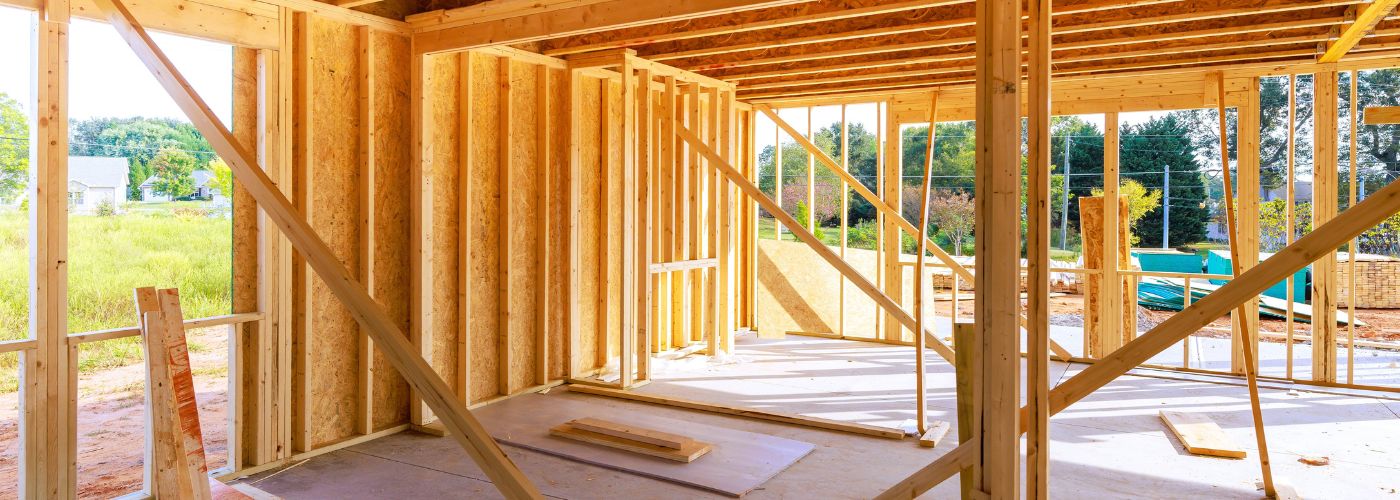
Large remodeling projects involve many moving parts, from budgeting and scheduling to managing contractors and materials. Without proper preparation, even a well-designed renovation can run into costly setbacks.
This article goes over important construction planning tips for large remodeling projects and explains how to keep your renovation organized from start to finish.
Construction Planning Tips for Large Remodeling
When tackling a major renovation, following the right construction planning tips for large remodeling projects can make a significant difference in the overall outcome.
Large-scale renovations often affect multiple areas of a property at the same time, making coordination and organization essential. Planning every stage before work begins helps reduce confusion, minimize delays, and create a smoother experience for everyone involved.
Property owners should focus on setting clear goals, identifying priorities, and understanding the scope of the project before construction starts. A well-prepared plan allows teams to solve potential problems before they become expensive obstacles during construction.
Taking the time to establish expectations, responsibilities, and schedules helps keep the project on track and supports better decision-making throughout the remodeling process.
Create a Realistic Budget Before Construction Begins
One of the most important construction planning tips for large remodeling projects is developing a realistic budget before any work begins.

Large renovations often uncover hidden issues such as outdated wiring, plumbing problems, or structural concerns that were not visible during the initial inspection. A budget that only accounts for expected expenses may quickly become insufficient when unexpected costs arise.
When building a budget, it is important to include labor, materials, permits, design fees, equipment rentals, and contingency funds. Gathering multiple estimates from contractors and suppliers can help provide a clearer understanding of actual project costs.
Including a financial cushion for unexpected expenses helps prevent stressful decisions when unforeseen challenges appear during construction. Careful budgeting creates a stronger foundation for the entire remodeling project and reduces the likelihood of interruptions caused by funding shortages.
Establishing a Detailed Timeline for Each Phase
Successful project management depends heavily on creating a detailed schedule, making it one of the most valuable construction planning tips for large remodeling efforts.
Large renovations involve numerous phases, including demolition, structural work, mechanical installations, inspections, finishing work, and final walkthroughs. Each phase must be carefully coordinated to avoid unnecessary downtime.
Breaking the project into smaller milestones allows everyone involved to understand what needs to happen and when. It also makes it easier to identify delays before they affect the entire project.
Contractors, subcontractors, and property owners benefit from having clear expectations and target completion dates. Detailed timelines improve accountability and help maintain steady progress throughout every remodeling stage.
Plan Temporary Living Arrangements During Major Renovations
Another important aspect of construction planning tips for large remodeling projects is determining whether temporary living arrangements will be necessary.
Major renovations can create noise, dust, safety hazards, and utility interruptions that make daily life difficult or uncomfortable. Depending on the size and scope of the project, remaining on-site may not be practical.

Planning alternative accommodations ahead of time helps reduce stress once construction begins. Homeowners should evaluate which areas of the property will be inaccessible and how long each phase is expected to last.
This information can help determine whether staying elsewhere for part or all of the project is the best option. Having a clear relocation plan in place helps families maintain their routines while allowing contractors to work more efficiently.
Coordinate Contractors and Suppliers to Prevent Delays
Effective communication between contractors and suppliers is one of the most overlooked construction planning tips for large remodeling projects.
Large renovations often involve multiple specialized professionals working together, including electricians, plumbers, carpenters, painters, flooring installers, and other trades. If schedules are not properly coordinated, one delay can create a chain reaction that affects the entire project.
Regular meetings and consistent communication help ensure that everyone understands project expectations and timelines. Contractors should have access to updated schedules and information regarding material availability so they can plan their work accordingly.
Strong coordination reduces scheduling conflicts and helps maintain momentum from one phase of construction to the next. Proactive communication also allows teams to address potential issues before they develop into major delays.
Schedule Material Deliveries to Keep the Project Moving Efficiently
Careful management of material deliveries is another key component of construction planning tips for large remodeling projects.
Even the most experienced contractors cannot complete their work without the necessary materials arriving on time. Delayed shipments can cause crews to sit idle, extend project timelines, and increase overall costs.
Creating a delivery schedule that aligns with each construction phase helps ensure materials are available when needed. Ordering critical items early can help avoid shortages and long lead times, especially for specialty products or custom materials.
It is also important to confirm storage arrangements for materials that arrive before installation begins. Strategic delivery planning helps eliminate unnecessary downtime and supports a more efficient construction workflow.
Large remodeling projects require thoughtful preparation, careful coordination, and consistent oversight from beginning to end. By focusing on budgeting, scheduling, temporary housing needs, contractor communication, and material management, property owners can create a smoother renovation experience.
Taking these proactive steps helps reduce disruptions, control costs, and improve the likelihood of achieving a successful remodeling outcome.
