
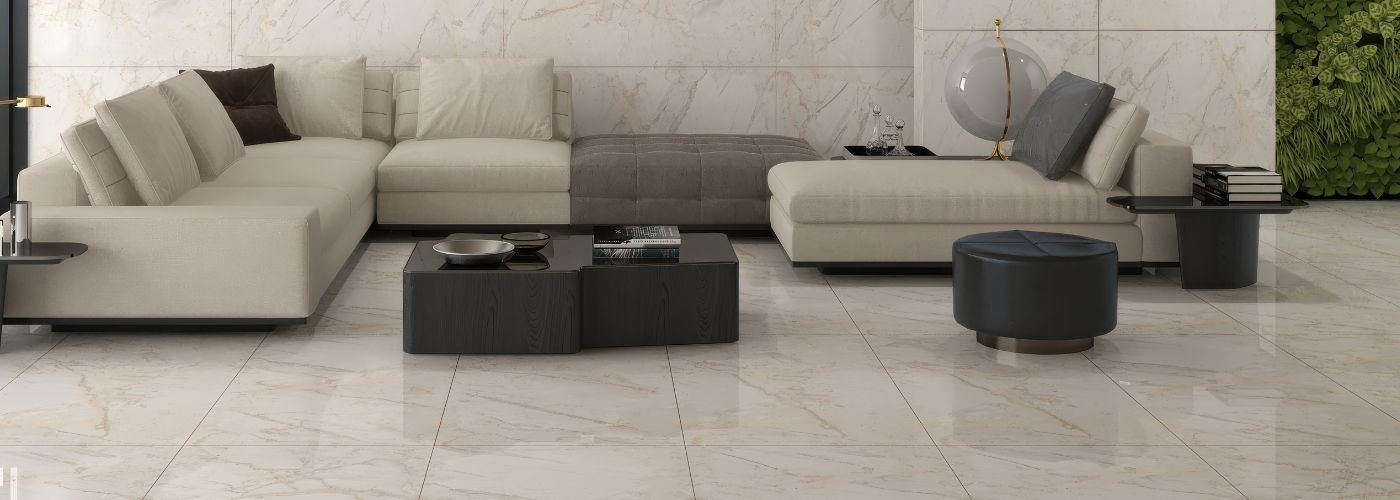
Tile flooring is a popular choice for many homes because it is durable, stylish, and easy to clean. It can handle daily activity in kitchens, bathrooms, hallways, and living rooms. But like any surface, tile flooring needs regular care.
Without proper maintenance, the color can fade and the grout can become stained. We’ll go over essential tips on how to maintain your tile flooring.
Easy Tips To Maintain Tile Flooring
Tile flooring stays attractive when maintained with simple habits. Start with regular sweeping or vacuuming. Dust and grit can scratch tile surfaces if left on the floor. A quick sweep each day prevents this issue.
Mopping should follow sweeping to remove any leftover dirt. Use warm water and a gentle cleaner. Avoid leaving standing water on the floor, as it may create streaks or slippery spots.
Consider how much dirt enters your home every day. Shoes, pets, and outdoor activities bring dust and debris indoors. A clean entrance area helps protect your floors.
Small steps like removing shoes at the door will reduce how much dirt gets tracked into living areas. Regular care prevents damage and keeps tile looking polished and fresh.
Routine care also prevents long-term problems. Dirt buildup can discolor grout and dull the tile finish. Harsh cleaners can strip away sealant and weaken the floor’s surface.
By choosing the right products and cleaning methods, you avoid these issues. With a gentle approach, your floors stay in strong condition and keep their original shine.
Inspect Grout Lines Regularly
Grout lines are essential to your tile flooring’s structure. They hold the tiles in place and help block moisture. Over time, grout can collect dirt, moisture, and even mildew.
Regular inspection helps you find issues before they become serious. Check the grout during your cleaning routine. Look for cracks, discoloration, or areas where the grout has worn down.
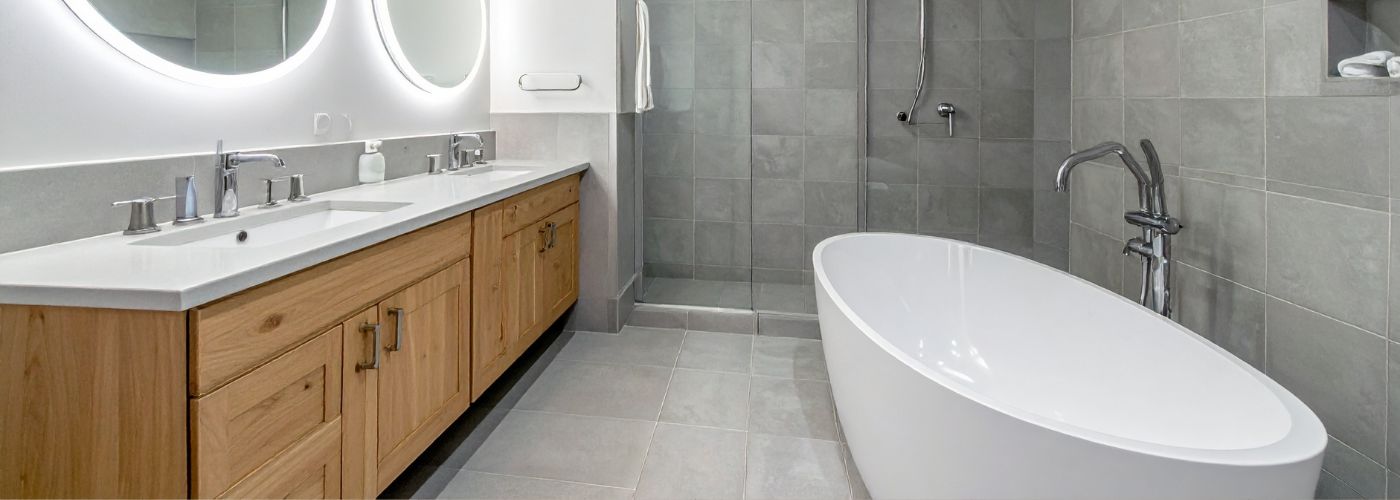
If you notice discoloration, use a gentle grout cleaner and a soft brush. Avoid metal tools or harsh scrubbing pads. These can damage both grout and tile edges.
Work in small sections and rinse thoroughly. If the grout looks dry or chalky, consider applying a grout sealer. Sealing helps protect it from moisture and future staining.
When grout cracks or breaks, water can seep under the tiles. This causes loose tiles or uneven surfaces. Repairing small cracks early prevents larger and more costly repairs later. Healthy grout supports the entire stability and luxury appearance of your tile flooring.
Use pH-Neutral Cleaners for Safe Cleaning
Cleaning products play an important role in tile maintenance. Many household cleaners contain acids, bleach, or strong chemicals. These can damage tile surfaces and strip away finishes. A pH-neutral cleaner is safe for both tile and grout. It cleans effectively without harming your floor’s protective seal.
Mix the cleaner with warm water and mop in small sections. Rinse your mop frequently to avoid spreading dirt back across the floor. After cleaning, dry the floor with a soft towel or microfiber cloth. This prevents streaks and leaves the tile looking bright.
Do not use vinegar, ammonia, or abrasive powders on tile flooring. These products may etch or dull the surface. They can also break down grout over time. A gentle cleaner helps your tile flooring maintain its color, smoothness, and shine.
Place Furniture Pads to Prevent Scratches
Tile flooring is strong, but it can still be scratched under heavy pressure. Furniture with rough or sharp legs can create marks when moved across the surface. Furniture pads are an easy and affordable way to protect your flooring. Attach felt or rubber pads under chair legs, table legs, and other furniture pieces.
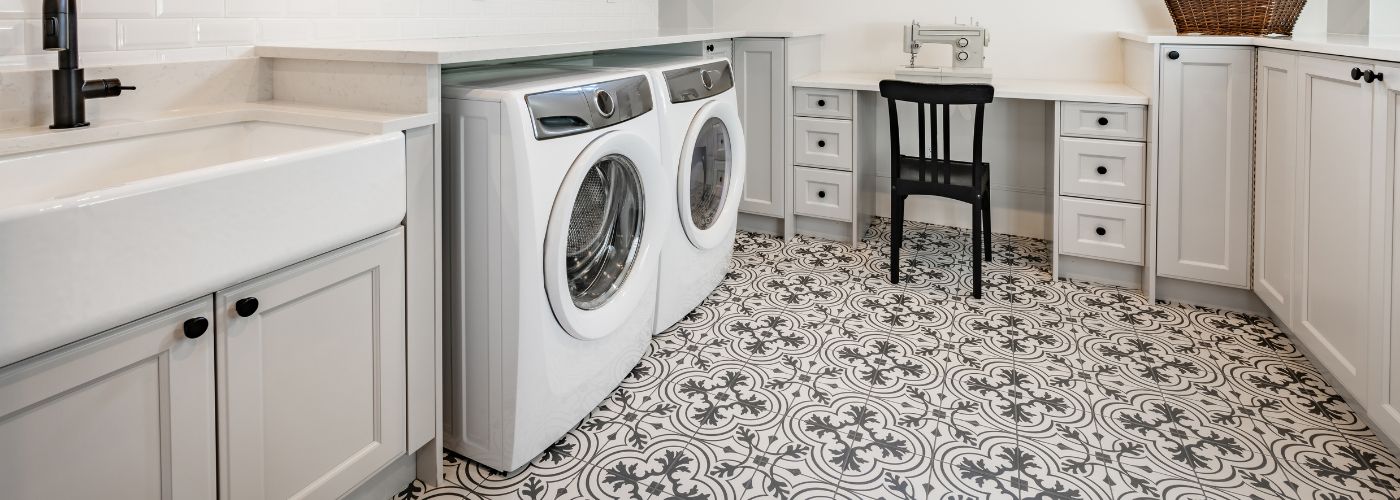
Check the pads every few months. Dirt can stick to the pads and cause scratches if not cleaned. Replace pads that are worn or flattened. When moving furniture, always lift instead of dragging. Even with pads, sliding heavy objects across tile can leave marks.
This small step helps maintain the smooth surface of your flooring. Protective furniture pads reduce wear, prevent scratches, and extend the life of your tile floors.
Apply Floor Mats in High-Traffic Areas
High-traffic areas are more likely to collect dirt and show signs of wear. Entryways, hallways, and kitchen spaces benefit from floor mats. Mats catch dirt before it reaches your flooring. They also help absorb moisture from shoes and spills. This reduces staining and prevents slippery surfaces.
Choose mats made from easy-to-clean materials. Shake or vacuum them on a regular schedule to prevent buildup. Avoid mats with rubber backing on natural stone tile, as rubber may react with the stone. Instead, choose fabric or woven mats that allow airflow.
Floor mats not only protect your floors but also add comfort. Standing on tile for long periods can feel hard on the feet. A well-placed mat near the sink or stove provides a softer surface. Mats help protect tile flooring by limiting dirt, moisture, and unnecessary wear.
Use Soft Brushes to Avoid Scratching Surfaces
Scrubbing tile floors requires the right tools. Hard-bristled brushes or steel wool pads can scratch tile surfaces. These scratches may be small but grow noticeable over time. Instead, choose soft-bristled brushes or microfiber tools. These clean effectively without removing the finish.
When scrubbing grout, use circular motions and light pressure. Let the cleaner loosen dirt instead of forcing it with heavy scrubbing. Rinse tools frequently to avoid pushing grit into the tile surface. After cleaning, dry the floor to remove remaining residue.
Soft cleaning tools help preserve the tile’s appearance. Using gentle brushes prevents scratches and helps keep your tile flooring smooth and bright.
